 |
|
|
 |
Uber Member
|
|
Jan 23, 2008, 02:37 AM
|
|
|
 Originally Posted by CMM_Kaleido
I knit, crochet, sew some, bead (only a very little these days), and make cards--but my passion is for oil pastels--crayons for adults!
I can see now that we have even more things in common, CMM_Kaleido! It would be good to introduce you to some of the more art-oriented individuals from this site, if you are interested.
Please let me know if you are interested in that. Thank you!
|
|
|
 |
Junior Member
|
|
Jan 23, 2008, 07:10 AM
|
|
|
Originally Posted by Clough
I can see now that we have even more things in common, CMM_Kaleido! It would be good to introduce you some of the more art-oriented individuals from this site, if you are interested.
Please let me know if you are interested in that. Thank you!
Yes, thanks. That would be great.
|
|
|
|
Uber Member
|
|
Jan 24, 2008, 10:27 PM
|
|
|
Originally Posted by Clough
I can see now that we have even more things in common, CMM_Kaleido! It would be good to introduce you some of the more art-oriented individuals from this site, if you are interested.
Please let me know if you are interested in that. Thank you!
Originally Posted by CMM_Kaleido
Yes, thanks. That would be great.
Below is the link.
https://www.askmehelpdesk.com/art/ar...ou-133294.html
The thread is huge! But, please don't be intimidated by it. You might want to skip to some of the pages that are near the end of it. We are a bunch of artists over there who are also very supportive of one another. Please come and join us! Just feel free to pop in and say "Hi!" You will receive a warm welcome there!
|
|
|
 |
New Member
|
|
Feb 2, 2008, 10:05 PM
|
|
|
Jack of all - Master of none!
I sew, quilt, make ribbon barrettes, scrapbook, stamp, bead, crochet, and just started teaching myself to knit. I also taught One-Stroke painting classes at Michael's craft store for awhile. I'll try just about anything crafty. Love making handmade gifts for everyone. I'm always looking for a new craft to learn. Drives my hubby nuts! :)
|
|
|
|
Uber Member
|
|
Feb 2, 2008, 10:57 PM
|
|
|
Hello, tnt76!
It sounds like you have a lot of things in common with a number of us who are members of this site! We would love to see some of your work sometime!
|
|
|
 |
Ultra Member
|
|
Feb 2, 2008, 11:04 PM
|
|
|
Originally Posted by tnt76
Jack of all - Master of none!
I sew, quilt, make ribbon barrettes, scrapbook, stamp, bead, crochet, and just started teaching myself to knit. I also taught One-Stroke painting classes at Michael's craft store for awhile. I'll try just about anything crafty. Love making handmade gifts for everyone. I'm always looking for a new craft to learn. Drives my hubby nuts! :)
Hope to see some of your work sometime soon! :p
|
|
|
|
Uber Member
|
|
Feb 2, 2008, 11:21 PM
|
|
|
Yes, tnt76! It would be good to see some of your work, and also share some things with others of like minds. We do encourage you to do that! Would you like to meet some of the more art-oriented type people on this site?
|
|
|
 |
Junior Member
|
|
Mar 12, 2008, 12:52 AM
|
|
|
I paint some (Not very well) I can do a bit of sewing (I am rubbish though) I make models out of clay (I am better at that) does drawing count? If it does then I draw (mainly dragons, dinosaurs, members of the canidae family and other animals).
|
|
|
|
Uber Member
|
|
Mar 13, 2008, 12:45 AM
|
|
|
Originally Posted by mysteryperson123
I paint some (Not very well) I can do a bit of sewing (I am rubbish though) I make models out of clay (I am better at that) does drawing count? If it does then I draw (mainly dragons, dinosaurs, members of the canidae family and other animals).
I am sure that what you make and draw are very precious, mysteryperson123! If you are expressing yourself in various ways, be it in an art of whatever kind, such as a crafting or other way, such as music, drawing, dance, theater, poetry, etc. then you are expressing and exhibiting something that is from your heart. It is also a way of sharing with other people. Oftentimes, it might be hard to express in words what might be better to be able to understand what someone is meaning because of the way that it is expressed as a creation of some kind by the individual.
It is likely that there will be a thread started soon for the sharing of artistic ideas, inspirations, thoughts, critiques, helpful information and works of many varieties and kinds again here such as happened on The Artist in you! Thread. It would be an all-inclusive thread.
It would be super if you could post images of some of what you have done on it! Of course, you could also post some images on this thread or on a thread that you might start yourself.
|
|
|
|
Junior Member
|
|
Mar 13, 2008, 12:55 PM
|
|
|
Here are some pics of the pictures I draw, there is also one of my plasticene dragon.
|
|
|
|
Uber Member
|
|
Mar 13, 2008, 11:46 PM
|
|
|
Definitely good stuff there mysteryperson123! Thank you for sharing them with us!
|
|
|
|
Junior Member
|
|
Mar 14, 2008, 08:52 AM
|
|
|
I got a few others, just say if you want me to share them.
|
|
|
|
Ultra Member
|
|
Mar 14, 2008, 03:42 PM
|
|
|
Originally Posted by UsBlkgal
I just saw a thumb piano on the internet site of a company called: "Lark in the Morning". Of course I have seen them before but never so many different shapes! I have been buying ethcnic musical instruments from all over the world. I.E. I bought an autoharp and an e flat cornet! (I have played trumpet for thirty-six yrs and have never seen or played something so so strange!) Anyway I saw all kinds of things. I.E. A African Musical instrument, a story tellers drum, a Zulu cocoon rattles, and an ocean harp to name a few.
Hi there! Since you wrote of your interest in Thumb Piano's, thought I would post this one I painted. I took a class so pattern is not my own. This one is different than the ones Clough has designed but the idea is the same. The sound resonates from the back. I will post the image of the back of it when I can find it in my files if you wish. Hope you enjoy viewing it. I sure have enjoyed it and it is so unique that guests in my home can't seem to resist picking it up and at least giving it a try! :p
|
|
|
|
Uber Member
|
|
Mar 16, 2008, 03:49 AM
|
|
|
Yes, they are hard to resist, jrebel7! And, I do hope that UsBlkgal would return to this site, because I believe that she would have a lot to offer here!
|
|
|
|
New Member
|
|
Mar 26, 2008, 06:02 PM
|
|
|
I knit , crochet, bead and sew. .
|
|
|
|
Uber Member
|
|
Mar 26, 2008, 06:58 PM
|
|
|
Originally Posted by kathylea
I knit, crochet, bead and sew. .
Do you have any images that you might like to show us here? It would be great if you do!
|
|
|
|
New Member
|
|
Mar 27, 2008, 04:31 AM
|
|
|
Hi Clough, well I have sold all my beading but I do have a roman blind I just finished which I posted a question in the craft section here I will post the pic again though if you like.
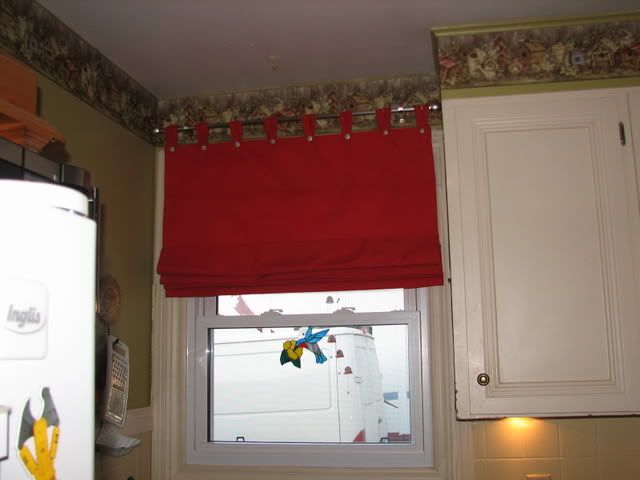
And another set of curtains I just finished.
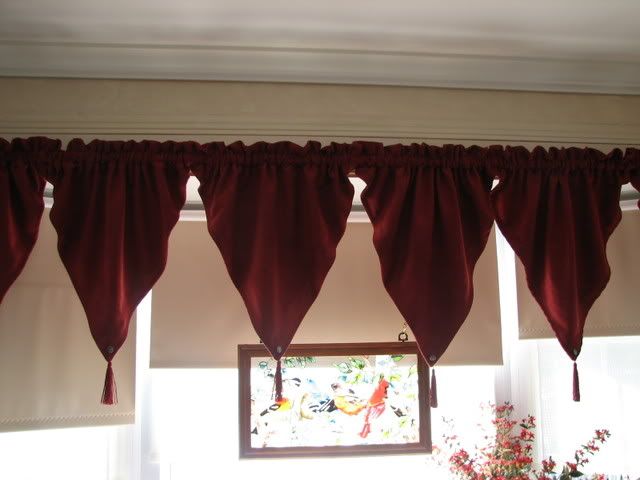
I love to decorate to. We are renovating at the moment as well.
I do some webpages and like to do signatures and such on my website I also make incredimail skins, letters and screensavers, CardinalLove
|
|
|
|
Uber Member
|
|
Mar 28, 2008, 01:15 AM
|
|
|
Please do post the images wherever they might be appropriate. It's okay to post them in more than one section on this site as long as they roughly fit the topic/theme of the original post of a thread.
|
|
|
|
Uber Member
|
|
Mar 28, 2008, 01:32 AM
|
|
|
Below, are images of some thumb pianos that I have made. I do apologize for the quality of the images. But, at least it gives people some idea as to the type of folk instruments that I make and decorate. Just in case more discussion happens and images get posted on this thread, please know that I am going to be gone for the next few days and will almost certainly be without access to the Internet.
|
|
|
|
Uber Member
|
|
Mar 31, 2008, 01:08 AM
|
|
|
This is really a great thread that was started by LearningAsIGo! And, I do hope that others will continue to come along to contribute to it!
Truly, we do all "Learn As We Go!" It would be great if others would also share their craft ideas here!
|
|
|
| Question Tools |
Search this Question |
|
|
|
Check out some similar questions!
Crafts for candles
[ 3 Answers ]
I have a candle business and I am looking for craft ideas to help sell and decorate candles.
I have pattern for votive roses but would like to do more.
Thank you
More ideas for candle crafts?
[ 5 Answers ]
I have a candle business and we make some pretty cool candle crafts like votive roses and scented animals but I would love some more ideas. Any ideas are appreciated!
View more questions
Search
|


